







Search Results for: 74158 numeric variety
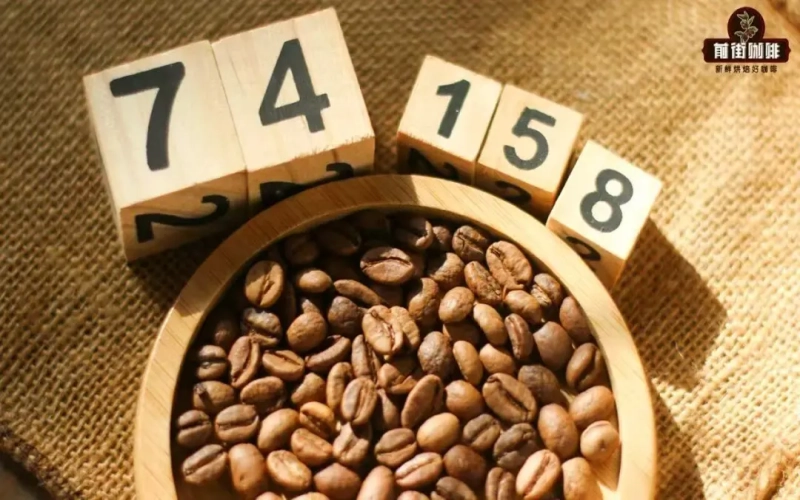
What is the origin of Ethiopian numerical varieties like 74158? Front Street Coffee ALO and Hamasho flavor analysis
In recent years, a group of numerically named varieties have frequently appeared among Ethiopian coffees. Coded beans such as 74158, 74110, and 74112 not only appear on the lists of major green bean competitions, but have also become targets that many coffee farmers and brands are eager to plant. What exactly do these numbers represent? Why can they excel in both flavor and yield? This article will start with the history of JARC's variety selection and breeding, sort out the origins and advantages of these coded beans, and focus on two standout 74158 coffees in Front Street Coffee's bean list — Front Street Ethiopia·ALO and Front Street Ethiopia·Hamashu — to help you understand their respective flavor characteristics and origin backgrounds. [more…]
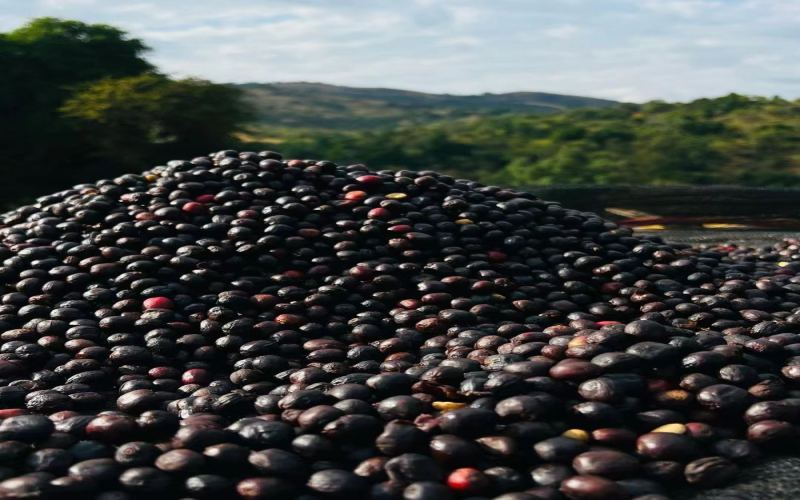
Ethiopian Coffee Variety Analysis: Characteristic Differences Between the Native Heirloom Variety and the Numerically Bred Varieties 74158, 74112, and 74110
Ethiopia, as coffee's genetic treasure trove, has a variety system far more complex than one might imagine. The Heirloom native variety label commonly seen on the market is actually a collective term for mixed-harvest varieties, not a single specific variety. The numeric codes such as 74110, 74112, and 74158 that have frequently appeared in recent years originate from JARC's disease-resistant breeding program in the 1970s. This article will systematically sort out the classification of Ethiopian coffee cultivation models, the essential meaning of Heirloom, the origin of the 74-series numeric varieties, and the identification and naming of Landrace local varieties, helping coffee enthusiasts understand the variety information on Ethiopian coffee bags. [more…]
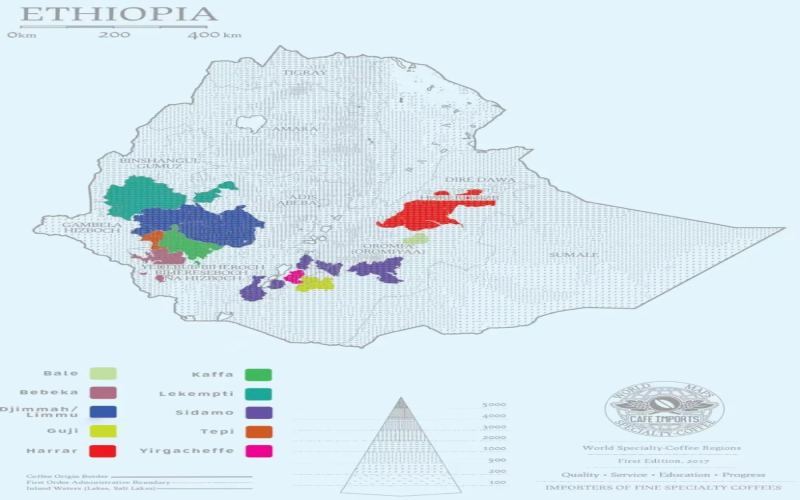
Exploring Ethiopia's Sidama Region: An Analysis of the Santavini Processing Station and the 74158 Numeric Variety Coffee
Ethiopia, as the birthplace of coffee, is home to more than ten thousand incompletely identified Arabica varieties, and the Sidamo region is one of the most representative star origins among them. Starting from the geographical and cultural background of Sidamo, this article traces the evolution of its name and its terroir advantages, focusing on the unique microclimate of the Santa Vini processing station and its 96-hour anaerobic natural process, while offering an in-depth interpretation of 74158 within the JARC digital variety system. At the same time, drawing on Front Street Coffee's example of bean selection, it presents the complete picture of this Sidamo Santa Vini coffee bean from origin to processing method, taking you to appreciate the diverse charm of African specialty coffee. [more…]
A Complete Analysis of Ethiopian Coffee Varieties: From the Native Heirloom to the Origins of the 74/75 Numerical Lines
As the birthplace of coffee, Ethiopia has a variety system far more complex than we might imagine. What exactly does the commonly seen Heirloom native variety mean on the market? What do the numerical codes such as 74110 and 74158 that have frequently appeared on packaging in recent years represent? This article will sort out the three cultivation models of Ethiopian coffee, trace the historical context of the JARC disease-resistant breeding program in the 1970s, explain the naming logic of the 74/75 series lines, and introduce the progress in identifying and naming Landrace local varieties. At the same time, by combining specific products such as Front Street Coffee's Kafa Forest washed lot and Sidamo Santaverney 74158, it will help readers build a complete understanding of Ethiopia's variety system. [more…]
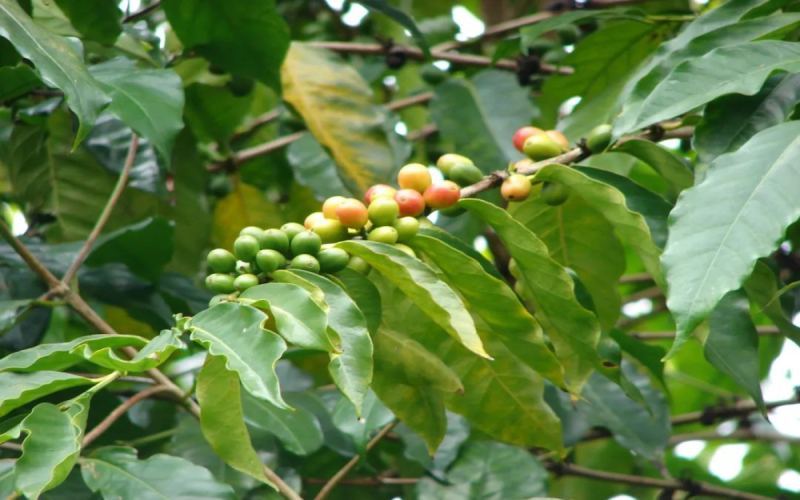
Exploring Ethiopia Sidamo: A Comprehensive Analysis of the Santavini Processing Plant 74158 Coffee Beans
Ethiopia, as the birthplace of coffee, boasts a rich variety of native heirloom varieties and unique natural conditions. The Sidama region, with its high altitude, fertile volcanic soil, and abundant rainfall, has become synonymous with high-quality coffee. The Santa Vini processing station, a high-altitude processing facility under DWD Company, processes the 74158 variety using a 96-hour anaerobic natural method, presenting tropical fruit flavors such as pineapple and citrus along with a full-bodied mouthfeel. Front Street Coffee has selected this bean and brews it using a V60, a 1:15 coffee-to-water ratio, and 92°C water temperature, delivering fermented wine aromas and a sweet red wine aftertaste that coffee enthusiasts will savor. [more…]
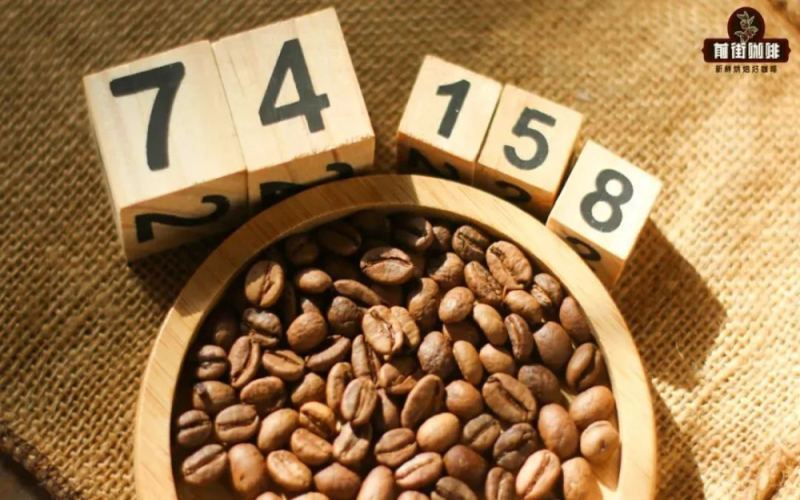
The Origin and Flavor Characteristics of Ethiopian Digital Coffee Varieties 74158 and 74110
When purchasing Ethiopian coffee, in addition to the common Heirloom native variety label, in recent years more and more varieties with numerical codes have entered the public eye, such as 74158, 74110, and others. What exactly do these numbers represent? They are closely related to a period of disease-resistant breeding history in the Ethiopian coffee industry. In the 1970s, coffee anthracnose ravaged Ethiopian producing regions, prompting the Jimma Agricultural Research Center to launch a systematic breeding program, selecting from hundreds of samples several varieties that combined disease resistance with excellent flavor. This article will outline the origins of these numerical varieties, their classification logic, the flavor characteristics of their main representatives, and their performance in COE competitions, and will also introduce related products brought in by Front Street Coffee. [more…]
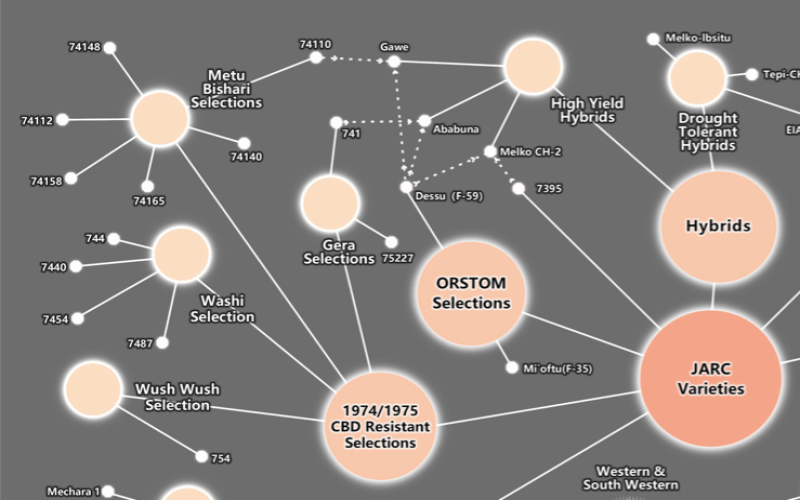
The Origins of Ethiopia's 74 Series Numbered Coffee Varieties and a Flavor Brewing Guide for 74158
In the world of coffee, some varieties are not known by familiar names like Bourbon or Typica, but by a string of seemingly mysterious numbers, such as Ethiopia's 74 series, which begins with 7. Where did they come from, and what do the numbers represent? This article traces the background behind the creation of this group of disease-resistant varieties, explains the meanings of codes such as 741, 74110, 74158, and 74165, and focuses on the Sidamo Saint Vini 74158 sold by Front Street Coffee, sharing the flavor profile and pour-over parameters brought by its 96-hour anaerobic natural process, helping coffee lovers understand the story behind numbered varieties and their charm in the cup. [more…]
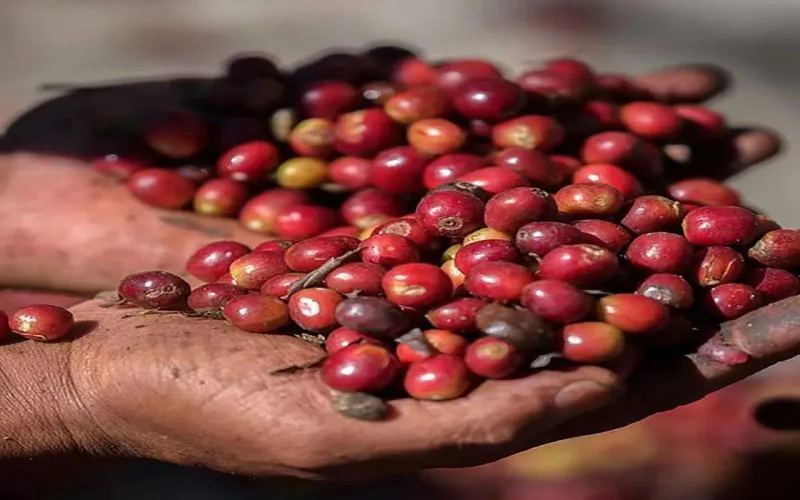
Why Are Ethiopian Coffee Beans So Uneven in Size? A Variety Analysis of the Sidamo Santaverry 74158
Ethiopia, as the birthplace of Arabica coffee, is known for beans with floral and citrus notes, but many enthusiasts notice that the coffee beans here often vary in size and shape. This is not a quality issue, but rather the result of the country's extraordinarily rich variety of coffee cultivars, diverse cultivation patterns, and a grading system that focuses on defect rate rather than bean size. This article will analyze the causes of differences in Ethiopian coffee bean morphology, introduce the three cultivation methods of garden, estate, and forest, explain the JARC digital variety series and the origin of 74158, and finally present the flavor profile of Front Street Coffee's Sidamo Santawini coffee beans. [more…]
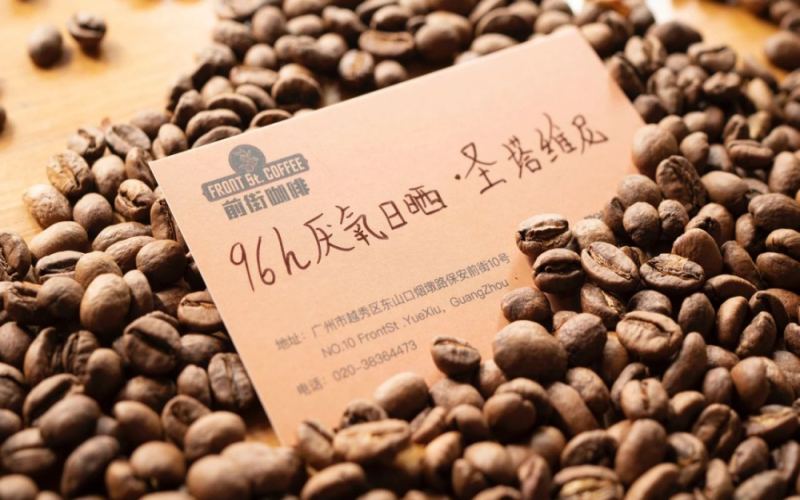
Coffee Bean 74 Series | What Are Ethiopian Coffee Varieties 74110 and 74158? Introduction to Sidamo Santa Vini Coffee Flavor, Mouthfeel, and Pour-Over Brewing Parameters
(Top left) Among the thousands of different coffee varieties, it's inevitable that some beans have rather unusual names! Unlike most beans such as Bourbon and Typica, which have conventional names, these are like secret agents, each with their own code number. For example, varieties named with letters plus numbers. [more…]
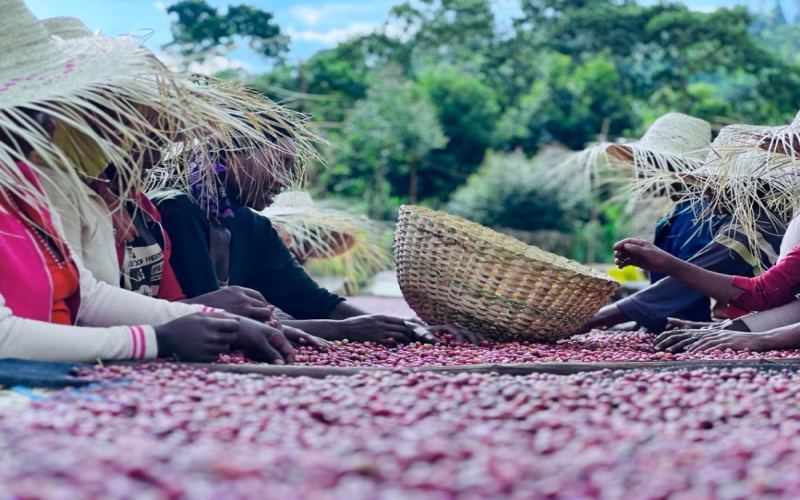
A Complete Guide to Ethiopian Specialty Coffee: Six Must-Try Pour-Over Picks from Yirgacheffe, Sidamo, Guji, and Kafa Forest
When it comes to the origins of coffee, Ethiopia is a name that cannot be overlooked. This highland nation has not only nurtured countless native varieties, but also given rise to world-renowned specialty coffee regions such as Huakui, Gesha Village, Guji, and Sidamo. High altitudes, large temperature swings, abundant moisture, and diverse microclimates allow coffee from different plots to display strikingly different flavor profiles. Starting from the growing environment, cultivation models, and processing methods, this article sorts out six of Ethiopia's most worthwhile specialty pour-over coffees—Washed Yirgacheffe, Gutingding Cooperative, Natural Red Cherry, Natural Huakui, Hamasho 74158, and Kafa Forest—and includes the corresponding flavor descriptions for Front Street Coffee's products, so you can understand the charm of Ethiopian coffee in one go. [more…]
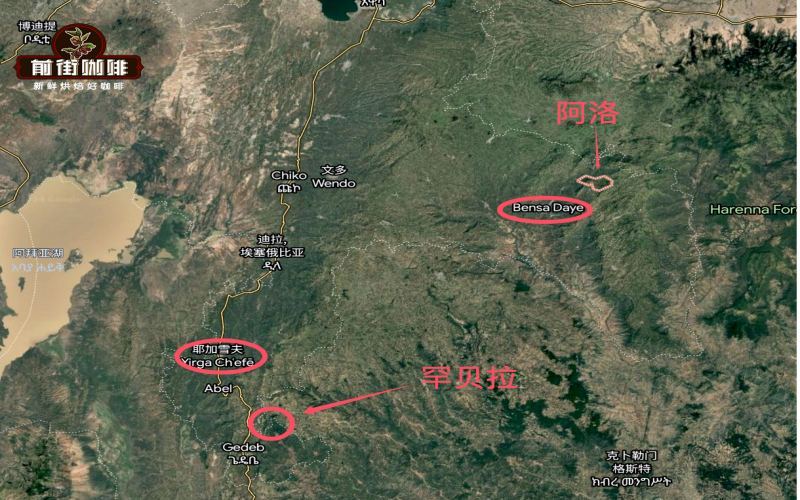
Exploring Ethiopia Sidamo Bensa Alo Village: The Flavor and Origin Story of High-Altitude Floral Coffee
Ethiopia, as the birthplace of coffee, has always been a pilgrimage destination for specialty coffee enthusiasts. In recent years, Alo Village in the Bensa area of Sidama has quickly risen to fame thanks to its outstanding performance as the 2021 COE champion, becoming a hot topic of discussion in the coffee world. Alo Coffee founder Tamiru Tadesse started from scratch, bringing the floral and fruity aromas of this high-altitude land to the world. This article will guide you through the origin background of Alo Village, the distribution of processing stations, the natural processing of the 74158 variety, and the cupping flavors and brewing suggestions brought to you by Front Street Coffee, so you can experience the unique charm of this coffee. [more…]
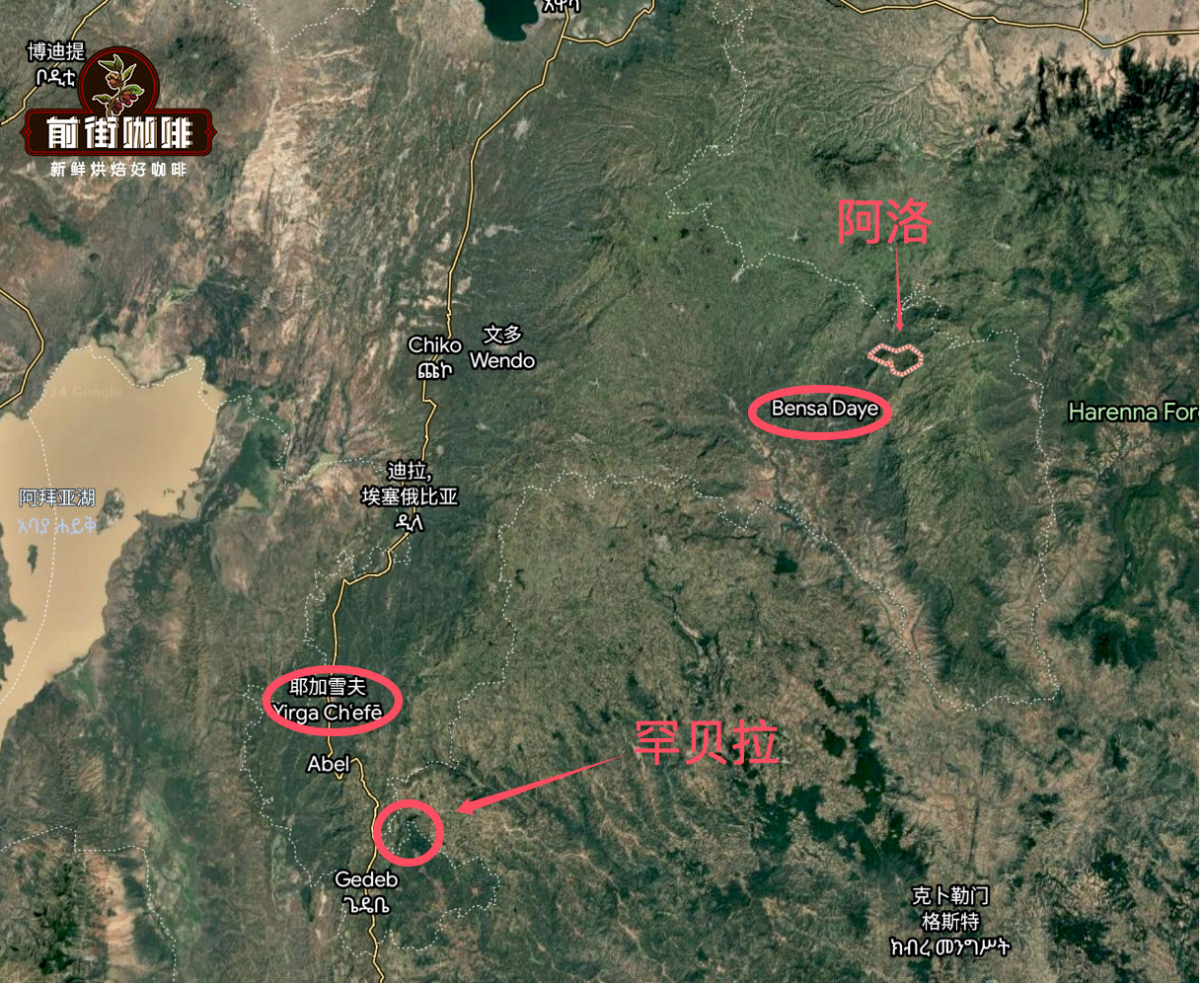
Sidamo Alo Village Coffee Beans alo coffee|Introducing the flavor characteristics of coffee beans from Alo Village, Bensa district, Sidamo, Ethiopia
Since the beginning of this year, a coffee origin called Alo Village has quickly risen to fame in coffee circles both at home and abroad, with extremely high exposure and discussion. In conversations with multiple roasters and buyers, Front Street Coffee has also clearly felt the continued rise in popularity of this origin. So, what is it about this suddenly "ubiquitous" Al [more…]

2024 Ethiopia COE Results Announced: Natural Process Lots Dominate, Sidama Region Shines
The results of the 2024 Cup of Excellence (COE) Ethiopia competition have been announced, and this year's event has many highlights: all 27 winning coffees were naturally processed, and every one of them came from the JARC numerical variety series, with the Sidama region emerging as the biggest winner. Looking back, since Ethiopia first hosted the COE in 2020, it once set a record high price of $400.5 per pound; after being suspended in 2023 due to civil war, this year's relaunch has delivered a remarkable result. This article will walk you through the detailed results of this year's competition and take a deeper look at the geographical advantages of the Sidama sub-regions Bensa and Bona, as well as the origins of the JARC numerical varieties. [more…]
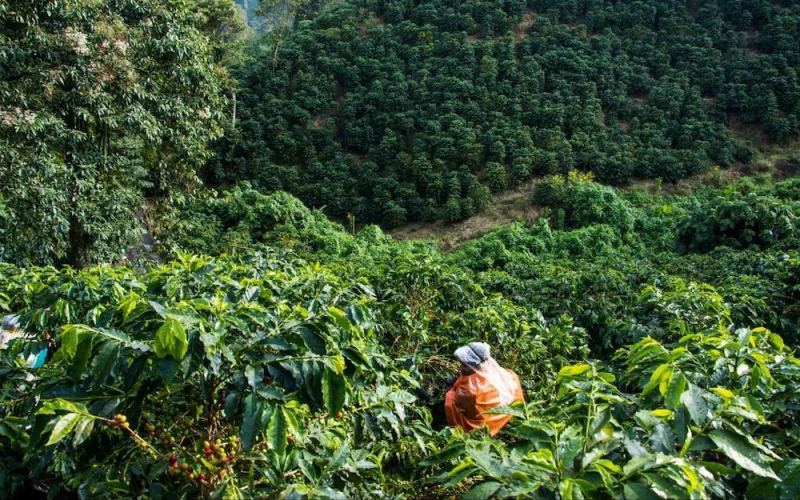
Ethiopian Coffee Flavor and Bean Variety Grading Explained: A Comprehensive Analysis of Heirloom Varieties, Regional Landraces, and Numeric Varieties
As the birthplace of Arabica coffee, the forests of southwestern Ethiopia nurture countless coffee varieties, which gives the local coffee a unique flavor that is hard to replicate. Because the varieties are extremely diverse, it is difficult for the government to name them one by one, so they are mostly referred to collectively as "heirloom varieties." On this basis, regional varieties and numbered lines beginning with 74 and 75 have also emerged. The grading of Ethiopian coffee beans is based on the number of defective beans, with five grades from G1 to G5, among which G1 and G2 are the highest quality. This time, Front Street Coffee uses washed Yirgacheffe G2 as the representative everyday coffee of the Ethiopian region, presenting the classic flavor of intertwined citrus, white flowers, honey, and tea-like notes, and also includes pour-over suggestions and bean-resting instructions to help coffee lovers gain a more complete understanding of the charm of Ethiopian coffee. [more…]
The Origin of African Coffee: Ethiopia's Coffee Variety System, Grading Standards, and Yirgacheffe Brewing Guide
As the birthplace of Arabica coffee, Ethiopia nurtures a highly distinctive regional flavor profile thanks to tens of thousands of native varieties in its southwestern forests. This article will start from the variety classification system, analyze the differences between landraces and the 74/75 numeral series, explain the G1 to G5 defective bean grading standards, and provide an in-depth analysis of the flavor performance of washed Yirgacheffe G2. At the same time, Front Street Coffee will share the specific parameters for the V60 three-pour brewing method, including adjustment ideas for grind size, water temperature, and coffee-to-water ratio, to help coffee lovers gain a more complete understanding of the unique charm of Ethiopian coffee. [more…]
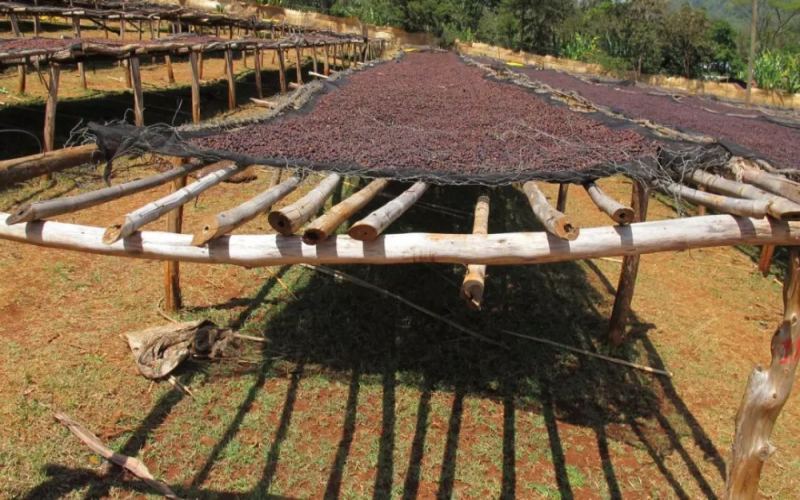
Exploring Ethiopia's Bensa Region: A Full Breakdown of Sidama Coffee Bean Processing Methods and the Origin of the Name
Sidamo is one of Ethiopia's most representative specialty coffee regions, renowned worldwide for its rich floral aromas and abundant fruity notes. This article provides a systematic overview of Sidamo coffee, covering the region's geography, the origin of its name, variety classifications, and the microclimate and processing methods of Bensa Woreda. It also introduces in detail Front Street Coffee's newly launched Ethiopian natural Alo coffee, complete with cupping flavors and V60 three-pour brewing parameters, taking you deep into the unique charm of this high-altitude region. [more…]
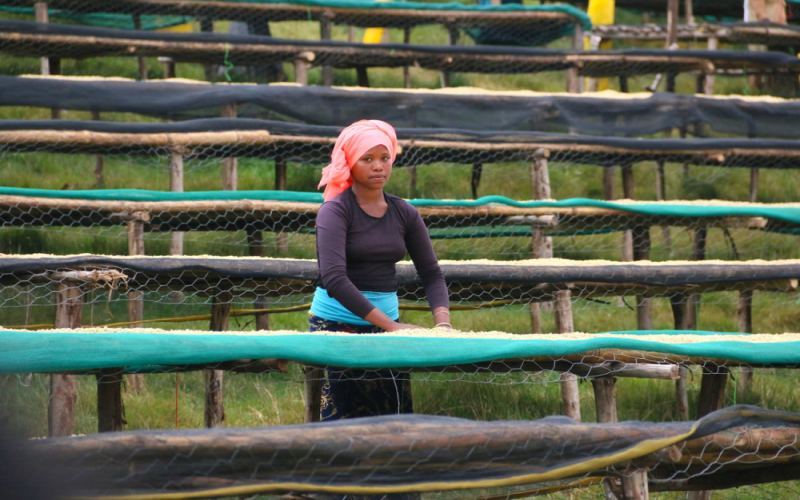
Exploring Ethiopia, the Birthplace of Coffee: A Full Analysis of Producing Regions, Native Varieties, and Natural and Washed Processing Methods
As the birthplace of coffee, Ethiopia is not only Africa's largest coffee producer, but also weaves coffee deeply into the daily life and rituals of its people. From Sidamo to Yirgacheffe, from nearly two thousand documented native varieties to the two major processing methods of washed and natural, this country has cultivated specialty coffees with distinctive character and pronounced floral and fruity aromas. The washed Yirgacheffe in Front Street Coffee's everyday beans series is a prime example of the typical flavors of the Yirgacheffe region. This article will guide you through a comprehensive understanding of Ethiopia's coffee industry, variety classification, processing method characteristics, and the flavor differences brought about by different processing methods, offering coffee enthusiasts complete origin knowledge and purchasing reference. [more…]
Tracing the Origin of the Sidamo Region Name and Analyzing the Flavor of Bensa Alo Village Natural Coffee Beans
Sidamo is one of Ethiopia's most renowned specialty coffee regions, famous for its rich floral aromas and abundant fruity notes. This article begins with the origin of the region's name, tracing the historical roots of the two appellations "Sidamo" and "Sidama," and focuses on the high-altitude micro-region of Bensa town and its Alo village. It analyzes the variety composition, processing methods, and flavor characteristics of Bensa coffee, and introduces in detail Front Street Coffee's newly launched Ethiopian natural Alo coffee beans—from green bean processing to cupping performance, and on to V60 three-pour brewing parameters—providing coffee lovers with a complete reference for tasting and brewing. [more…]
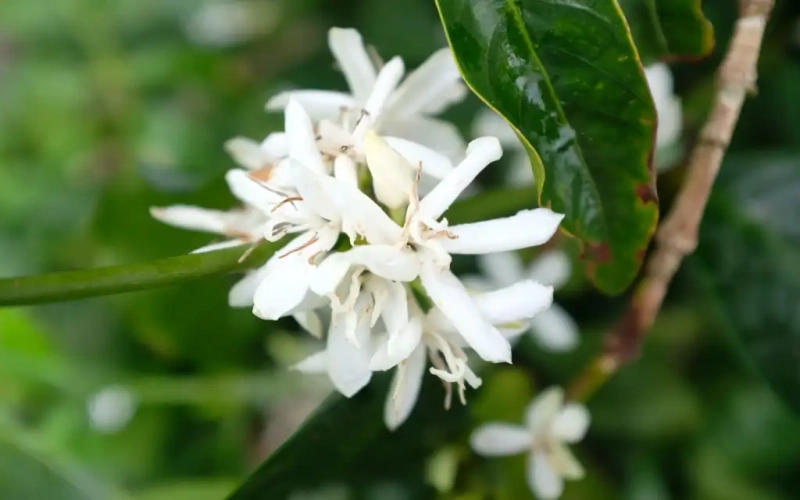
An In-Depth Look at Ethiopia's Coffee Cultivation Models and Grading System, with Notes on Yirgacheffe Flavor and Front Street Brewing Suggestions
Ethiopia is widely recognized as the birthplace of coffee, and its coffee production and quality hold an important place globally. This article will introduce Ethiopian coffee culture, cultivation models, variety overview, processing methods, and grading systems, with a focus on analyzing the classic flavors of Yirgacheffe. Regarding the roasting and brewing of Yirgacheffe, Front Street Coffee also provides specific recommendations and parameter references to help coffee enthusiasts gain a more comprehensive understanding of this region and better showcase its delicate acidity and floral-fruity aromas in daily brewing. [more…]
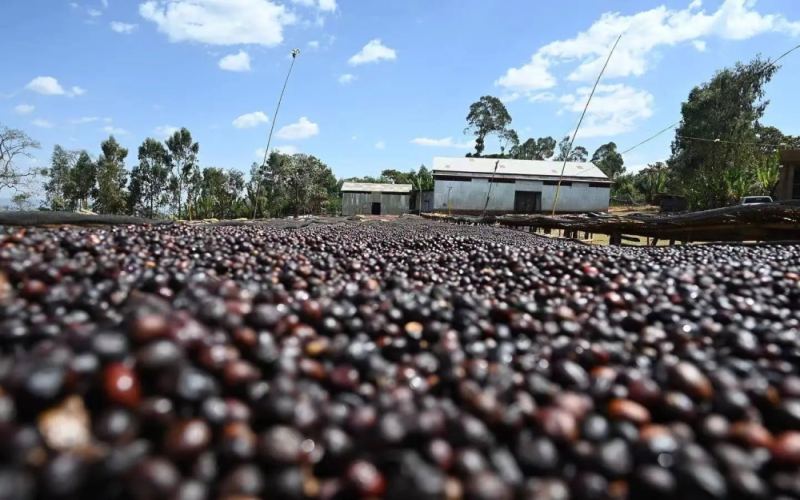
Yirgacheffe Coffee Bean Grades, Varieties, and Processing Methods Explained: A Flavor Comparison of Washed Gedingding and Natural Red Cherry
Yirgacheffe is Ethiopia's most representative specialty coffee region, famous for its elegant floral aromas and bright acidity. Front Street Coffee's bean list includes several Yirgacheffe offerings, covering both washed and natural processing methods, each with its own distinctive flavor profile. This article will systematically outline Yirgacheffe's regional background, variety classification, grading system, and processing method differences, with a focused comparison of the flavor characteristics of two beans: Front Street Washed Gedingding and Front Street Natural Red Cherry. It will also introduce the origins and operational model of the Red Cherry Project, along with detailed information on Front Street's Kochere, Konga Cooperative, and Washed G2 products, and finally include Front Street's roasting analysis and brewing recommendations to help coffee enthusiasts gain a comprehensive understanding of the unique charm of Yirgacheffe coffee. [more…]